Source Cold Pressed Argan Oil for Skincare, Beauty, and Hair Care
Find and compare 29 listings for cold pressed argan oil sourced from China. Evaluate options based on purity, extraction methods, and packaging sizes to identify suitable suppliers for your business needs.
Key considerations
Products List
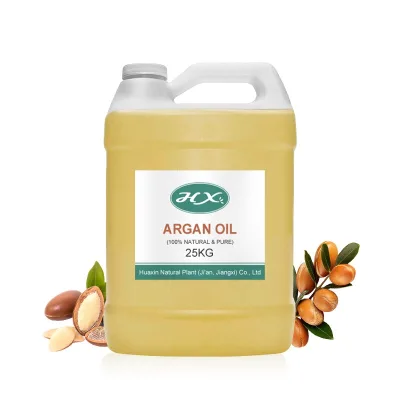


Comprehensive Sourcing Guide
Cold Pressed Argan Oil Sourcing Guide
Sourcing cold pressed argan oil requires a disciplined approach to verifying extraction methods, purity claims, and supply chain transparency. Buyers must distinguish between true cold-pressed oils and those processed with heat or chemical solvents, as the extraction method directly impacts the concentration of active compounds like linoleic acid and vitamin E. The market presents a wide variance in product grades, ranging from cosmetic-grade base oils to food-grade extracts, necessitating clear definition of end-use requirements before engaging with suppliers. This guide provides a structured framework for evaluating listings, verifying technical specifications, and managing commercial risks associated with this high-value botanical ingredient.
Procurement teams should prioritize suppliers who provide transparent documentation of their extraction processes and raw material origins. While many listings claim "100% pure natural" status, buyers must validate these assertions through third-party testing and supplier audits. The distinction between cosmetic applications and internal consumption is critical, as regulatory requirements and safety profiles differ significantly. By focusing on verifiable data points such as extraction temperature, raw material sourcing, and certification status, buyers can mitigate the risk of receiving adulterated or improperly processed oil that fails to meet quality standards.
Product Scope and Observed Listing Signals
The current market landscape for argan oil features a diverse array of product types, including base oils, essential oils, and food-grade extracts. Listings frequently highlight attributes such as "100% Pure Natural" and "Natural Extract," indicating a focus on unadulterated botanical sources. However, buyers must carefully examine the specific product type, as some entries may refer to peanut or sesame oil despite the core keyword, or offer variations in grade such as "Food Grade B" or "Pure Essential Oil Grade A." This variability underscores the importance of scrutinizing the raw material source and intended application to ensure alignment with procurement needs.
Observed listing signals reveal significant diversity in packaging and minimum order quantities (MOQ). Suppliers offer packaging options ranging from small containers like 400ml to industrial drums of 180kg, with MOQs varying from 1kg to 5000kg. This flexibility allows buyers to scale orders according to production capacity, but it also introduces complexity in logistics and storage planning. The presence of OEM/ODM acceptance suggests that many suppliers are equipped to customize formulations or branding, which is valuable for private label projects. Buyers should assess whether the supplier’s packaging capabilities align with their distribution channels and storage infrastructure.
Technical Specifications to Verify
Verification of extraction methods is paramount when sourcing cold pressed argan oil. The cold press technique preserves heat-sensitive nutrients and ensures the oil retains its natural profile, which is essential for high-end skincare and cosmetic applications. Buyers must confirm that the supplier explicitly states "Cold Pressed" as the extraction method and inquire about the specific temperatures maintained during processing. Any deviation from cold pressing, such as the use of heat or chemical solvents, can degrade the oil’s quality and alter its chemical composition, particularly affecting the levels of linoleic acid and other beneficial fatty acids.
Purity and grade specifications require rigorous validation through laboratory analysis. Listings may claim purity levels of 99% or 100%, but these figures must be supported by Certificates of Analysis (CoA) from accredited laboratories. Buyers should verify the presence of key active ingredients, such as linoleic acid, and ensure that the oil meets the specific grade requirements for their application, whether cosmetic or food-grade. Additionally, the physical state of the oil, typically liquid at room temperature, should be confirmed, along with storage recommendations such as keeping the product in a cool, dry place to maintain stability and shelf life.
Compliance and Safety Documentation
Compliance with safety standards is a non-negotiable aspect of sourcing argan oil, particularly when the product is intended for cosmetic or internal use. Buyers must request relevant certifications, such as MSDS (Material Safety Data Sheet), which provide critical information on handling, storage, and emergency measures. The presence of MSDS indicates that the supplier adheres to basic safety documentation standards, but buyers should also inquire about additional certifications such as ISO, GMP, or organic certifications, depending on their market requirements and regulatory environment.
Regulatory compliance extends beyond safety data sheets to include adherence to regional standards for cosmetic ingredients or food additives. For cosmetic applications, buyers must ensure that the argan oil meets the specific regulations of their target market, such as the EU Cosmetics Regulation or FDA guidelines in the United States. This includes verifying that the oil is free from prohibited substances and that all labeling requirements are met. Buyers should also confirm that the supplier provides batch-specific testing results to ensure consistency and compliance across all shipments.
Cost Drivers and Commercial Terms
The cost of cold pressed argan oil is influenced by several factors, including the quality of the raw materials, the extraction method, and the scale of production. Premium cold pressed oils typically command higher prices due to the labor-intensive nature of the extraction process and the higher yield of active compounds. Buyers should be wary of prices that seem unusually low, as they may indicate the use of lower-grade oils, adulteration, or less rigorous extraction methods. Understanding the cost structure helps buyers make informed decisions and avoid compromising on quality for marginal savings.
Commercial terms, including MOQ, payment terms, and shipping methods, play a significant role in the overall procurement strategy. Suppliers may offer flexible MOQs to accommodate different buyer sizes, but larger orders often come with volume discounts. Buyers should negotiate clear payment terms that protect their interests, such as using secure payment methods or escrow services. Additionally, understanding the shipping options, such as sea freight for bulk orders, is essential for managing logistics costs and ensuring timely delivery. Buyers should also consider the total landed cost, including duties and taxes, when evaluating supplier quotes.
Supplier Qualification and Quality Control
Supplier qualification involves a thorough assessment of the supplier’s capabilities, reputation, and quality management systems. Buyers should verify the supplier’s business license, production facilities, and quality control processes. Requesting samples for independent testing is a crucial step in validating the supplier’s claims regarding purity, extraction method, and active ingredient content. Buyers should also check for any negative feedback or disputes in the supplier’s history to assess their reliability and customer service quality.
Quality control measures should be established to ensure consistent product quality across all shipments. Buyers should require suppliers to implement strict quality control protocols, including raw material inspection, in-process monitoring, and final product testing. Regular audits of the supplier’s facilities can help identify potential issues and ensure compliance with agreed-upon standards. Establishing a clear communication channel for addressing quality issues and implementing a corrective action process is essential for maintaining long-term supplier relationships and product integrity.
Long-Term Procurement Checks
Long-term procurement success depends on continuous monitoring of supplier performance and market trends. Buyers should regularly review supplier performance metrics, such as on-time delivery, product quality, and responsiveness to issues. Establishing a scorecard system can help track these metrics and identify areas for improvement. Additionally, staying informed about market trends, such as changes in raw material availability or new extraction technologies, can help buyers anticipate potential disruptions and adjust their sourcing strategies accordingly.
Building a resilient supply chain involves diversifying suppliers and developing contingency plans for potential disruptions. Buyers should identify alternative suppliers in different regions to mitigate the risk of supply chain interruptions. Regularly reviewing and updating procurement policies and contracts ensures that they remain aligned with business objectives and regulatory requirements. By maintaining a proactive approach to supplier management and market analysis, buyers can secure a stable supply of high-quality cold pressed argan oil and support their business growth.
FAQs
What is the purity level of the cold pressed argan oil?
The product is available in 100% pure natural and 99% purity grades. It is classified as a base oil with natural extract material, suitable for health care and skincare applications while maintaining high quality standards.
How is the cold pressed argan oil extracted?
The oil is extracted using a cold pressed method, which preserves its natural properties. This compression process ensures the product remains a pure essential oil grade A or food grade B, depending on the specific batch requirements.
What packaging options are available for bulk orders?
Packaging is available in 1KG, 5KG, 10KG, 25KG, and 180KG units. Options also include drums, cartons, and plastic containers, allowing flexibility for different shipping needs and storage requirements in cool dry places.
Can suppliers provide OEM or ODM services for this oil?
Yes, OEM and ODM services are accepted and supported for this product. Customization is available to meet specific buyer needs, making it suitable for cosmetic raw materials and various skin care application requirements.
What is the shelf life of the cold pressed argan oil?
The product has a shelf life of 2 years or 24 months depending on the specific listing. Proper storage in a cool dry place is required to maintain the integrity of the liquid state and natural ingredients.
Which certifications are provided for the argan oil?
The product comes with MSDS certification to ensure safety and compliance. This documentation supports its use in cosmetic raw materials and other applications while confirming the quality of the natural extract and plant oil resources.
What is the minimum order quantity for this product?
The minimum order quantity ranges from 1KG to 25KG depending on the specific supplier listing. Some options allow single item selling units, while others require larger bulk purchases for cost-effective shipping and handling.
Where is the cold pressed argan oil manufactured?
The product originates from Jiangxi, China, as indicated by the place of origin. This location serves as the primary source for the natural extract and plant oil used in the production of this base oil.